The Best Golf Balls for Beginners
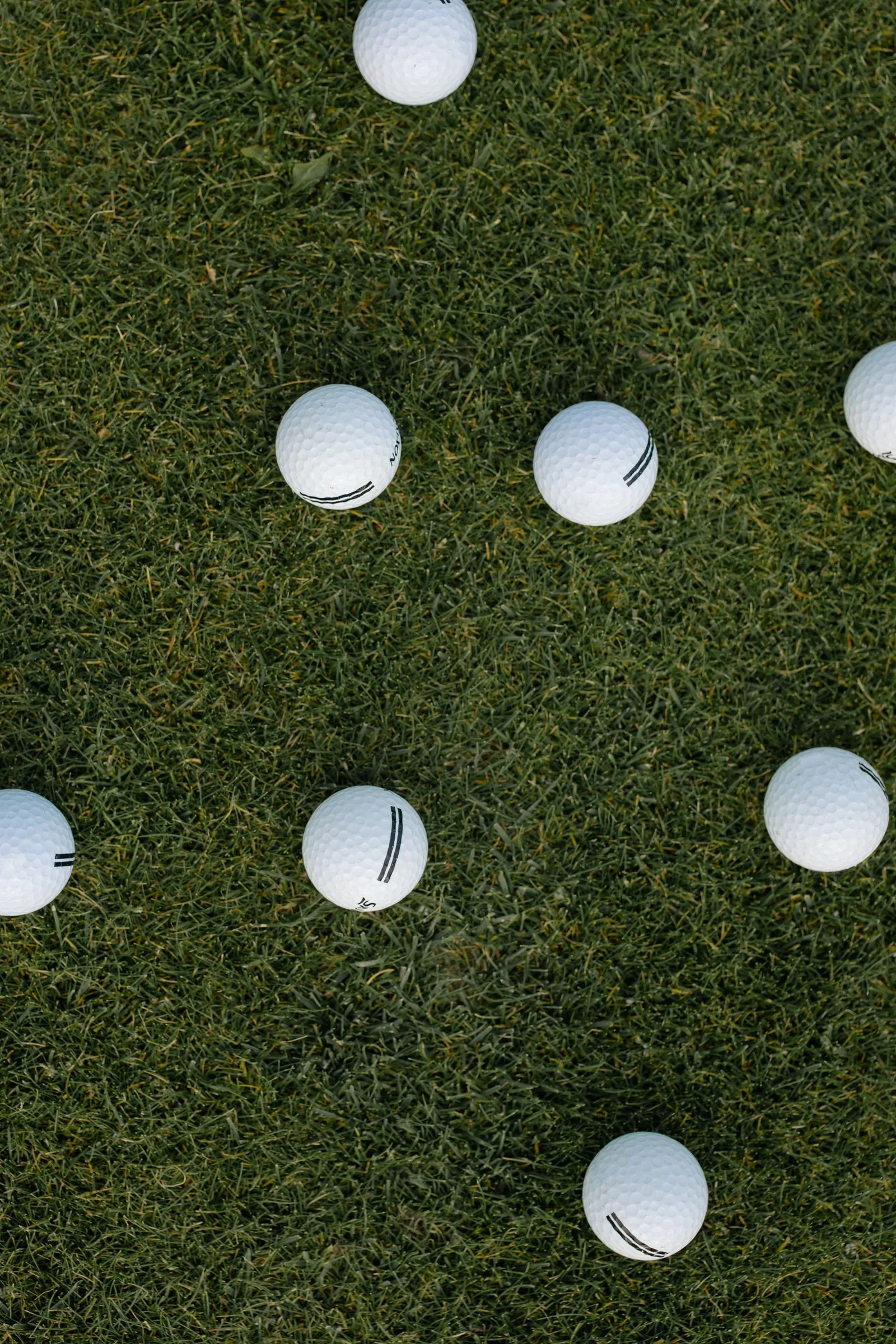
Beginners should play soft, low-compression balls — they're easier to compress, fly straighter and feel better. The Callaway Supersoft and Titleist TruFeel lead; buy in bulk because you will lose them while you learn.
Beginners overthink golf balls. You don't need a $50 tour ball you'll slice into the trees — you need a soft, forgiving, affordable ball, bought in quantity. The right beginner ball is easier to launch, flies a touch straighter on mishits, feels better off the putter and costs a fraction of what the pros play. Here's how to choose, and the best balls to play while you're learning.
How to choose a beginner golf ball
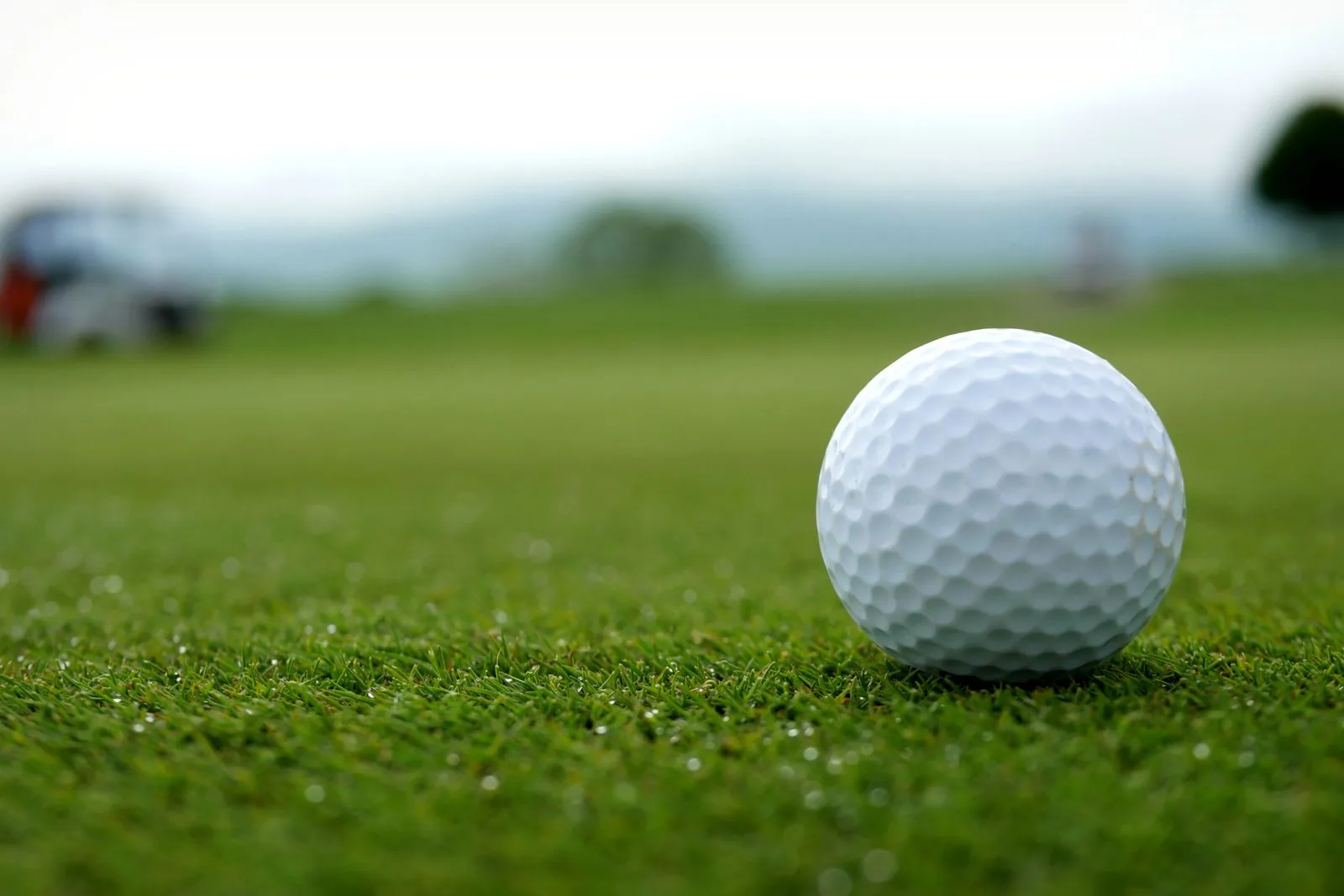
Two numbers matter. Compression is how much the ball squashes at impact: a low-compression ball (in the 35–60 range) compresses more easily at the slower swing speeds most amateurs have, which means more distance and a softer feel. Construction is how many layers it has: beginners want two-piece balls, which spin less off the driver and therefore fly straighter — the opposite of the high-spin tour balls that exaggerate your slice. Ignore everything about tour-level greenside spin for now; you'll benefit far more from straight, cheap and soft. Colour is a real advantage too — a matte yellow or red ball is much easier to track and find.
The best golf balls for beginners
Callaway Supersoft
Best overall · ~$25/dozen
The beginner benchmark — very low compression, soft feel, straight flight and genuinely good value. Comes in bright matte colours that are easy to follow and find. If you want one answer, buy these by the two-dozen and get on with learning. Check price on Amazon →.
Titleist TruFeel
Best premium feel · ~$25/dozen
Titleist's softest, most affordable ball — a straight, low-spin flight with a premium feel around the greens, without the Pro V1 price. The pick if you want the Titleist name and a slightly more refined feel than the Supersoft. Check price on Amazon →.
Srixon Soft Feel
Best value · ~$23/dozen
Superb value and a genuinely soft feel, with a bit more greenside bite than most balls in this class. Often on sale in multi-dozen packs, which makes it the smart bulk buy. Check price on Amazon →.
Wilson Duo Soft
Lowest compression · ~$22/dozen
One of the lowest-compression balls made, which means it's about as easy to launch and compress as a golf ball gets. Ideal for slower swing speeds and seniors who struggle to get the ball airborne. Check price on Amazon →.
Bridgestone e6
Straightest flight · ~$25/dozen
Engineered specifically to reduce sidespin and fly straight — exactly what a slicer needs. A great choice if your main miss is a big curve off the tee. Check price on Amazon →.
Callaway Warbird
Most distance · ~$20/dozen
A firm, fast two-piece ball built for maximum distance at a low price. Less soft than the Supersoft but a fun, cheap option if you just want to see the ball go far while you learn. Check price on Amazon →.
TaylorMade Distance+
Best cheap sleeve · ~$20/dozen
A low-spin distance ball at a friendly price, widely available. Another solid, forgiving two-piece option that's easy to find in shops and pro shops. Check price on Amazon →.
Refurbished / 'lake' balls
Best for the range · ~$15/two-dozen
Recovered, cleaned and graded balls — a mix of models for the practice range or your first few rounds. There's no sense losing new balls while you're still learning; buy a big bag of these and swap to new ones as you improve. Check price on Amazon →.
Vice Drive
Best direct-to-consumer value · ~$18/dozen
A soft, straight two-piece ball sold direct, which keeps the price low and drops further when you buy in bulk. A great modern alternative to the big brands if you don't care about the name on the ball, with clean matte-colour options. Check price on Amazon →.

Kirkland Signature
Best bulk buy · ~$25/two-dozen
The famous warehouse-club ball — sold two dozen to a box for the price of one dozen premium balls. It punches well above its price, and for a beginner burning through balls, the value is unbeatable. Check price on Amazon →.
Maxfli Softfli
Best matte colours · ~$20/dozen
A genuinely soft, low-compression ball that comes in a range of easy-to-track matte colours. Straight, forgiving and cheap — another strong pick for slower swing speeds who want to actually find their ball. Check price on Amazon →.
Titleist Velocity
Best for height and carry · ~$28/dozen
A firmer, faster ball built for high launch and long carry. Less soft than the TruFeel but a fun option if you struggle to get the ball in the air and want to see it fly — still far cheaper than a tour ball. Check price on Amazon →.
Distance balls versus feel balls
You'll see two broad camps of beginner-friendly ball, and it's worth knowing which suits you. Distance balls (Warbird, Velocity, Distance+) are firmer and built to fly far and straight off the driver, at the cost of some softness around the greens — great if your priority is seeing the ball go and your short game is still developing. Soft feel balls (Supersoft, TruFeel, Soft Feel) squash more easily, feel better off the putter and give a touch more control on chips, while still flying plenty far for most amateur swings. For the average beginner, a soft feel ball is the better all-rounder — but if you're a slower swinger chasing distance, a distance ball is a perfectly sensible choice.
Colored or white?
Don't dismiss a coloured ball as a gimmick — for a beginner it's a genuine advantage. A matte yellow, orange or red ball is dramatically easier to track in flight and find in the rough, which means fewer lost balls and less time holding up the group behind you. Nearly every ball on this list comes in a matte-colour option, and there's no performance downside. If you lose a lot of balls while you learn — and you will — go bright.
When to move up to a better ball
Stick with soft, cheap, low-spin balls until two things are true: you can reliably make solid contact, and you're starting to think about controlling your shots around the green. At that point a mid-tier ball (Callaway Chrome Soft, Titleist Tour Soft, Bridgestone Tour B RXS) adds greenside spin and control without jumping all the way to a $50 tour ball. There's no rush — plenty of good club golfers play a soft, inexpensive ball for years and score just fine. Your swing, not your ball, is where the strokes are.
How many to buy
Buy at least two dozen. You'll lose balls while you learn — into the water, the trees, the next fairway — and there's no sense grieving a ball that costs a dollar or two. Keep a couple of your good balls for holes without trouble and play the cheap or refurbished ones where the water lurks. As your ball-striking improves you can revisit the market, but the same soft, low-spin models still suit most club golfers for years. Pair them with a forgiving starter set and the right bag, and a dozen premium balls also makes a reliable golf gift.