How to Choose Golf Clubs: A Buyer's Guide
Buy clubs to match your skill and swing speed, not the pros' bags. Beginners want game-improvement irons and the right shaft flex (usually regular). Get the fundamentals fitted — lie angle, length, flex — before you spend big on forged blades.
Choosing golf clubs is simpler than the industry makes it look. You're matching equipment to your swing, not chasing what a tour player uses on television. The clubs the pros play are actively harder to hit and would hurt most amateurs' games. Here's what actually matters, club by club and spec by spec, so you can build or upgrade a bag that suits the golfer you really are.
The clubs in a bag

You're allowed 14 clubs, but beginners rarely need that many. A sensible bag looks like this:
- Driver — for maximum distance off the tee. High loft (10.5° or more) is easier to hit; beginners can even start by teeing off with a fairway wood.
- Fairway woods and hybrids — a 3-wood and a couple of hybrids cover long approach shots. Hybrids are far easier to hit than the long irons they replace, and most amateurs should carry more of them.
- Irons — typically 5-iron through pitching wedge, for approach shots into the green.
- Wedges — a pitching wedge (usually with the set) plus a sand wedge, and optionally a gap or lob wedge, for short shots and bunkers.
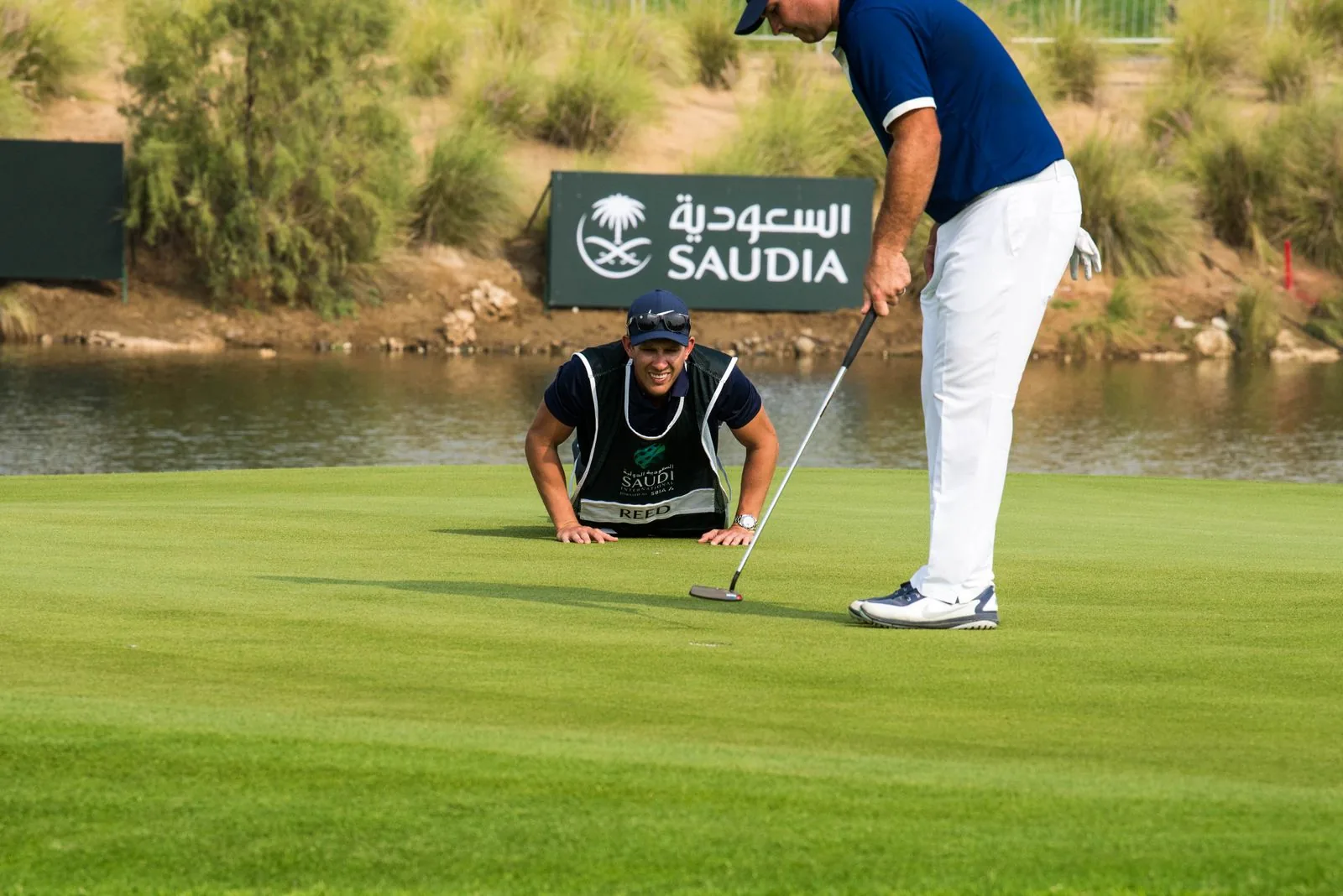
- Putter — the club you'll use most. Fit it to your stroke and how it feels; a mallet head is the forgiving default.
The specs that actually matter
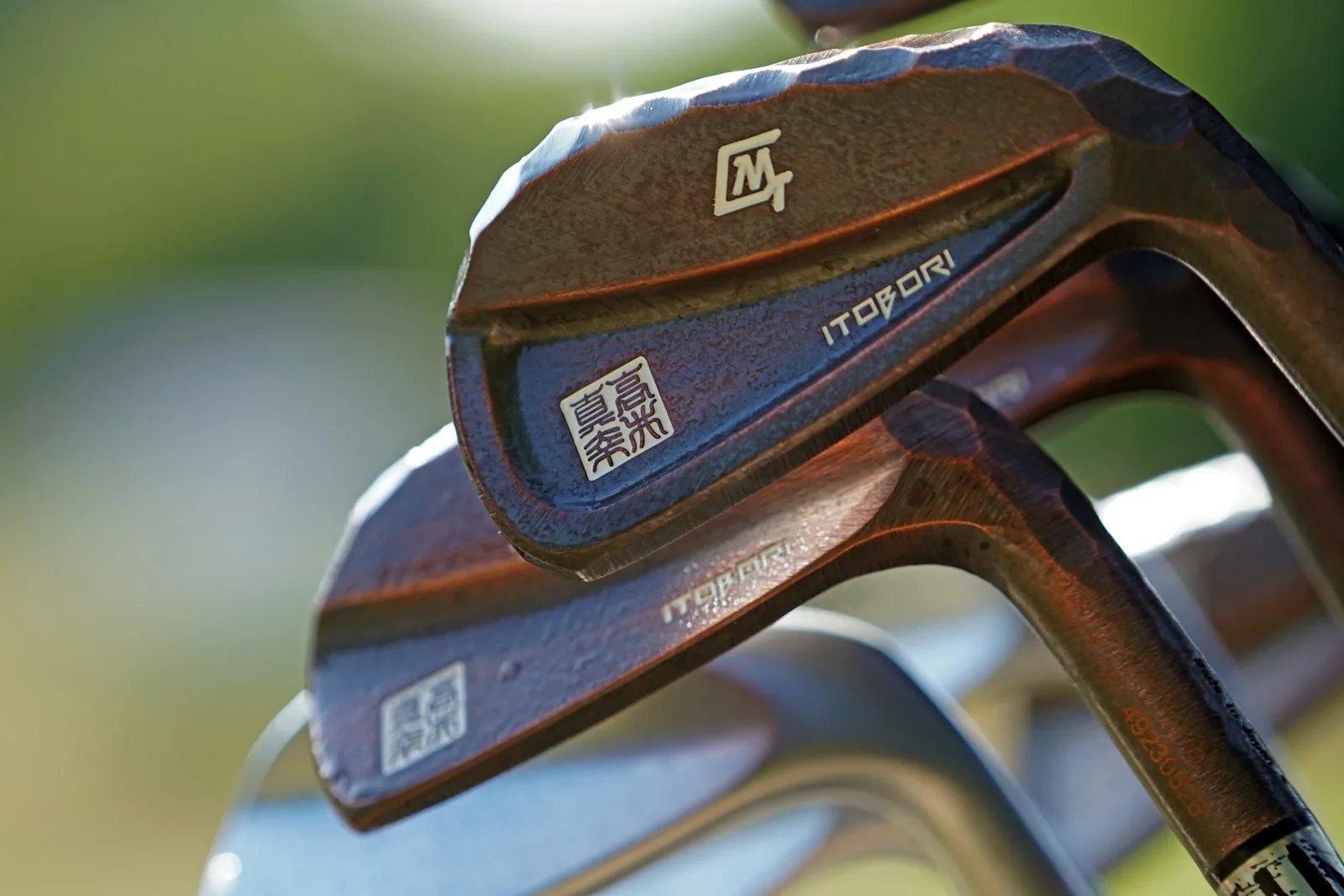
Shaft flex is the single most important spec to get right. Most golfers need regular flex; slower swings and many seniors want senior flex; stiff is only for fast, consistent, repeatable swings. The wrong flex costs you both accuracy and distance. Head design comes next: game-improvement irons have larger, cavity-back, perimeter-weighted heads that forgive off-centre hits — the right choice for the vast majority of golfers. Forged blades look beautiful and do nothing good for a mid-handicapper. Lie angle and length are the quiet fitting details that transform or ruin ball flight: a lie angle too upright or flat sends the ball left or right no matter how well you swing. Finally, loft and shaft material — more loft is more forgiving, and graphite shafts are lighter (helping slower swings) while steel is heavier and a touch more consistent.
New, used or a complete set?
For a new golfer, a complete beginner set is the right first move — matched, forgiving and cheap, with everything you need in one box. Good used clubs are also a smart buy once you know a little about your game; last year's game-improvement irons cost a fraction of new and play nearly identically. Buy new only when you want current technology or a specific fitting. Whatever you do, don't assemble a bag of mismatched hand-me-downs with random flexes and lengths — consistency matters more than any individual club.
When to get fitted

You don't need a full custom fitting on day one. Get the flex roughly right off the shelf and go play. As you improve and your swing settles, a proper fitting for lie, length and shaft flex is worth far more than upgrading to premium clubheads — it's the cheapest real performance gain in golf. A club fitter measures your swing on a launch monitor and adjusts these fundamentals to your actual delivery. Save the money you'd spend chasing tour-level heads and spend it on a fitting instead.
Upgrading one club at a time
Once you've played a complete set for a season, you don't need to replace everything at once — upgrade in the order that helps most. Start with the clubs you use around the green: a decent putter fitted to your stroke and a proper sand wedge pay off faster than any new driver, because that's where amateurs actually lose strokes. Next, consider swapping hard-to-hit long irons for hybrids, which get the ball airborne far more easily. The driver — the club everyone wants to buy first — should usually be last, since it's the club you hit fewest times a round. Upgrade to your weaknesses, not to the shiniest thing in the shop.
Common club-buying mistakes
Three errors trip up almost every improving golfer. The first is buying stiff shafts to feel like a better player — the wrong flex robs you of both distance and accuracy, so be honest about your swing speed. The second is chasing tour blades and low-loft drivers that are built for skills you don't have yet and actively make the game harder. The third is ignoring the fitting fundamentals — lie angle and length quietly ruin ball flight no matter how good the clubhead is. Spend on a fitting for lie, length and flex before you spend on premium heads; it's the cheapest real gain in golf.
Don't forget the ball and the bag
The clubs are only part of the setup. The right golf ball suits your swing speed — soft and low-compression for most amateurs — and a good bag keeps it all organised and comfortable to carry or cart. Get the whole package sensible rather than sinking everything into one shiny driver, and read up on course etiquette before your first round.